

這篇文章會用 TDD 手刻 myReduce、myReduceOrNull、myReduceIndexed,理解 reduce 和 fold 的差異
| Kotlin | C# LINQ | 備註 |
|---|---|---|
reduce { acc, it -> } |
Aggregate((acc, it) => ...) |
C# 的無 seed 版 Aggregate |
reduceOrNull { } |
無直接對應 | |
reduceIndexed { } |
無直接對應 |
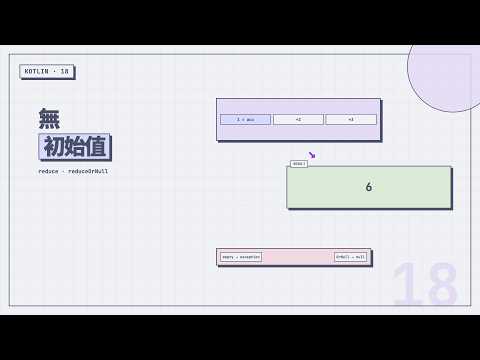
上一篇的 fold 需要一個初始值。reduce 不需要,它拿集合的第一個元素當初始值,從第二個元素開始折疊
fold(0):    0 → +1 → +2 → +3 = 6
reduce:     1 → +2 → +3 = 6
結果一樣,但 reduce 少了一個參數。代價是兩個限制
第一,reduce 的累加器可以是元素型別或其父型別,但不能是無關型別。fold 可以把 List<Employee> 折成 Int;reduce 的第一個累加值來自 Employee,因此做不到這種轉換
第二,空集合會出事。fold 遇到空集合直接回傳初始值,reduce 沒有初始值,只能拋例外。reduceOrNull 是安全版,空集合回傳 null
@Test
fun `reduce sum of numbers`() {
    val numbers = listOf(1, 2, 3, 4, 5)
    val result = numbers.myReduce { acc, num -> acc + num }
    assertEquals(15, result)
}

@Test
fun `reduce find max`() {
    val numbers = listOf(3, 7, 2, 9, 4)
    val result = numbers.myReduce { acc, num -> if (num > acc) num else acc }
    assertEquals(9, result)
}

@Test
fun `reduce single element returns that element`() {
    val single = listOf(42)
    val result = single.myReduce { acc, num -> acc + num }
    assertEquals(42, result)
}

@Test
fun `reduce empty list throws exception`() {
    val empty = emptyList<Int>()
    assertThrows<UnsupportedOperationException> {
        empty.myReduce { acc, num -> acc + num }
    }
}
第二個測試用 reduce 找最大值。第一個元素當初始的「目前最大」,後續每個元素跟它比,大的留下
單一元素的測試驗證 Lambda 根本不會被呼叫,直接回傳那個唯一的元素
空集合拋 UnsupportedOperationException,這跟 stdlib 的行為一致
employees 也能用 reduce,但要注意它適合「最後仍然回傳某個 Employee」的情境,例如找出薪水最高的人
val highestPaid = employees.myReduce { acc, emp ->
    if (emp.salary > acc.salary) emp else acc
}

highestPaid.name // Grace
如果目標是薪水總和,回傳型別會從 Employee 變成 Int,這時就該用上一篇的 fold
inline fun <S, T : S> Iterable<T>.myReduce(operation: (acc: S, T) -> S): S {
    val iterator = this.iterator()
    if (!iterator.hasNext()) {
        throw UnsupportedOperationException("Empty collection can't be reduced.")
    }
    var accumulator: S = iterator.next()
    while (iterator.hasNext()) {
        accumulator = operation(accumulator, iterator.next())
    }
    return accumulator
}
不能用 for 迴圈,因為要跳過第一個元素。手動拿 iterator,先 next() 一次取出第一個元素當累加器,剩下的用 while 跑
泛型簽名 <S, T : S> 要拆開來看。T : S 代表 T 是 S 的子型別。Lambda 的簽名是 (acc: S, T) -> S,回傳型別是 S 而不是 T
為什麼?想像你有 List<Int>,用 reduce 算出結果。Int 的加法回傳的是 Int,但如果 Lambda 回傳的是 Number(Int 的父型別)呢?S 就是 Number,T 就是 Int。T : S 確保 Int 是 Number 的子型別,所以第一個 Int 元素可以安全地賦值給 S 型別的累加器
老實說,大多數情況下 S 和 T 是同一個型別。這個泛型設計是為了型別系統的完整性
具體一點看
val ints: List<Int> = listOf(1, 2, 3)

// 一般情況:Lambda 回傳 Int → S = T = Int
val sum: Int = ints.reduce { acc, n -> acc + n }
罕見情境:把 List<Int> reduce 成 Number(Int 的父型別),這時 S = Number、T = Int,T : S 約束保證型別安全
數學直覺:reduce 的累加器型別只要「能容納」元素型別就行。元素是 Int,累加器可以是 Int、Number、Any,任何 Int 的父型別都行。T : S 把這個「向上相容」的關係寫進泛型約束裡
對照表裡 reduce 對應的是 C# 的無 seed 版 Aggregate,也就是 Aggregate<TSource>(Func<TSource, TSource, TSource>)。這個多載只有一個泛型參數 TSource,累加器和元素被強制成同一個型別,比 Kotlin 的 <S, T : S> 更死。Kotlin 至少允許 S 是 T 的父型別,C# 無 seed 版連這個彈性都沒有。如果想讓累加器跟元素不同型別,C# 得改用有 seed 的 Aggregate<TSource, TAccumulate> 多載,但那是 fold 的對應版本,不是 reduce
沒有要動的地方。手動拿 iterator、先 next() 一次再 while 的結構就是 stdlib 的寫法,後面的原始碼比較會證明這件事
@Test
fun `reduceOrNull empty list returns null`() {
    val empty = emptyList<Int>()
    val result = empty.myReduceOrNull { acc, num -> acc + num }
    assertNull(result)
}

@Test
fun `reduceOrNull non-empty list reduces normally`() {
    val numbers = listOf(1, 2, 3, 4)
    val result = numbers.myReduceOrNull { acc, num -> acc + num }
    assertEquals(10, result)
}
非空集合沿用 myReduce 的行為;差別只在空集合不拋例外,改回傳 null
inline fun <S, T : S> Iterable<T>.myReduceOrNull(operation: (acc: S, T) -> S): S? {
    val iterator = this.iterator()
    if (!iterator.hasNext()) {
        return null
    }
    var accumulator: S = iterator.next()
    while (iterator.hasNext()) {
        accumulator = operation(accumulator, iterator.next())
    }
    return accumulator
}
跟 myReduce 只差兩個地方:回傳型別從 S 變成 S?,空集合從拋例外變成 return null。這個模式跟 day 06 的 first vs firstOrNull 完全一樣
這個版本保留與 myReduce 相同的結構,只改空集合的處理方式
@Test
fun `reduceIndexed with index weighting`() {
    val numbers = listOf(10, 20, 30)
    val result = numbers.myReduceIndexed { index, acc, num -> acc + num * index }
    // 第一個元素(index 0)直接當初始值: 10
    // index 1: 10 + 20*1 = 30
    // index 2: 30 + 30*2 = 90
    assertEquals(90, result)
}

@Test
fun `reduceIndexed single element returns that element`() {
    val single = listOf(42)
    val result = single.myReduceIndexed { _, acc, num -> acc + num }
    assertEquals(42, result)
}

@Test
fun `reduceIndexed empty list throws exception`() {
    val empty = emptyList<Int>()
    assertThrows<UnsupportedOperationException> {
        empty.myReduceIndexed { _, acc, num -> acc + num }
    }
}
跟 myReduce 一樣,空集合沒有第一個元素可拿來當初始值,只能拋 UnsupportedOperationException;單一元素則 Lambda 不會被呼叫,直接回傳
inline fun <S, T : S> Iterable<T>.myReduceIndexed(operation: (index: Int, acc: S, T) -> S): S {
    val iterator = this.iterator()
    if (!iterator.hasNext()) {
        throw UnsupportedOperationException("Empty collection can't be reduced.")
    }
    var accumulator: S = iterator.next()
    var index = 1
    while (iterator.hasNext()) {
        accumulator = operation(index, accumulator, iterator.next())
        index++
    }
    return accumulator
}
注意 var index = 1,不是 0。因為第一個元素(index 0)已經被拿去當初始值了,Lambda 從 index 1 開始執行
var index = 1 起跳的寫法跟 stdlib 一致
原始碼位置:kotlin.collections 的 _Collections.kt
public inline fun <S, T : S> Iterable<T>.reduce(operation: (acc: S, T) -> S): S {
    val iterator = this.iterator()
    if (!iterator.hasNext()) throw UnsupportedOperationException("Empty collection can't be reduced.")
    var accumulator: S = iterator.next()
    while (iterator.hasNext()) {
        accumulator = operation(accumulator, iterator.next())
    }
    return accumulator
}
兩份實作的控制流程與例外訊息都相同
可以從以下條件判斷
用 fold:累加器型別與元素無關、集合可能為空、需要自訂初始值
用 reduce:累加器是元素型別或其父型別,而且確定集合不是空的
不確定的話就用 fold,比較安全。reduce 只是語法上少一個參數,省不了多少事
reduce 是 fold 的專用版,用第一個元素當初始值。好處是少一個參數;限制是空集合會拋例外,而且累加器只能是元素型別或其父型別
泛型簽名 <S, T : S> 第一次在這個系列出現。雖然實務上 S 和 T 幾乎都是同一個型別,但從型別系統的角度看,這個設計讓 reduce 的行為更精確
fold 和 reduce 都到齊了,下一篇要拿它們去還一筆債。day 14 介紹 groupBy 時提到 groupingBy 回傳的 Grouping 介面,當時因為還沒講折疊而跳過實作。day 19 會把那個介面連同 aggregate、fold、reduce、eachCount 四個操作一次實作完
同步刊登於 Blog
圖片來源:AI 產生


 iThome鐵人賽
 看影片追技術